


1 Finance Macroeconomic Index
1 Finance Macroeconomic Index
An index integrating multiple sub-indices derived from high-frequency indicators, providing insights into India's economic trends and phases
Current Phase
Strong Recovery


Index Value: 60.6
Summary
Strong Recovery signifies an acceleration in the pace of economic growth. In this phase, the economy continues to grow at a stronger rate, often influenced by low interest rates.
Index Value (LHS)
How to Embed this Chart?
Current Phase
Strong Recovery
Index Value: 60.6
Summary
Strong Recovery signifies an acceleration in the pace of economic growth. In this phase, the economy continues to grow at a stronger rate, often influenced by low interest rates.
Showing: Index Value • Range: 10 Years
Index Value (LHS)


The 1 Finance Macroeconomic Index (1FMI) is a comprehensive index, integrating multiple subindices based on High Frequency Indicators (HFIs). The 1 Finance Macroeconomic Index (1FMI) offers nuanced insights into India's economic trends and phases, and also provides a brief outlook for the near to medium term. The index captures the seasonal variations, policy changes along with domestic and global developments which impact demand supply dynamics.
The 1 Finance Macroeconomic Index (1FMI) covers diverse economic parameters ranging from agricultural and services sectors, to the capital markets and impact of the global economy on India. We have assigned appropriate weights to each of these indicators, considering their respective contributions to the economy.
Integrating macroeconomic analysis into financial planning transforms decision-making into a dynamic and informed process. This approach does more than just align with the current economic climate. It equips individuals to navigate and anticipate future financial landscapes. By embedding this analysis into the core of financial strategy, one gains a significant advantage in managing investments, liabilities, and cash flows. It transforms complex economic signals into actionable insights, from shaping investment portfolios in response to evolving sector trends and economic cycles to crafting liability strategies attuned to interest rate trends.
Sector Trend Analysis: Identifying trends in various sectors helps in forecasting market conditions and adjusting investment strategies. For instance, a growth trend in the services sector might indicate a good time to invest there.
Economic Cycle Alignment: Aligning broader asset allocation with current macroeconomic phases ensures investments are attuned to market conditions.
Global Economic Insights: International investment strategies should reflect global economic resilience and growth prospects, like investing in a new geographic region during their growth phase.
Inflation Adjustments: Allocating assets to serve as inflation hedges is crucial when indicators point towards rising inflation.
Real Estate Market Timing: Decisions on property investment should be based on real estate market trends, aligning purchases with positive market forecasts.
Currency Fluctuations: Foreign exchange indicators can guide decisions on international asset allocation, especially in a volatile currency market.
Impact of Economic Cycles: Modifying liability strategies according to the economic climate helps in reducing exposure during downturns and leveraging opportunities in growth phases.
Interest Rate Forecasting: Decisions on loans and mortgages must account for future interest rate changes, helping secure low rates before expected hikes or refinancing to reduce costs.
Credit Market Analysis: Monitoring signs of changing credit conditions aid in adapting borrowing strategies to secure favourable loan terms in liquidity-rich markets or preparing for stricter lending criteria during tight conditions.
Income Source Diversification: Diversifying income sources or upskilling is prudent, especially for someone working in sectors showing downturns.
Income Stability Forecasting: Macroeconomic phases are good indicators of job security and income stability.
Inflation Impact on Budgeting: Budget adjustments should reflect changes in consumer prices due to inflation.
Education Expense Projection: Forecasting future education costs requires analysing inflation trends and education sector insights.
Healthcare Expense Forecasting: Anticipating changes in healthcare costs helps in choosing suitable insurance coverages.
Retirement Income Planning: Inflation trends are vital in planning for an inflation-adjusted retirement income to maintain the desired post-retirement lifestyle.
Apr
2025
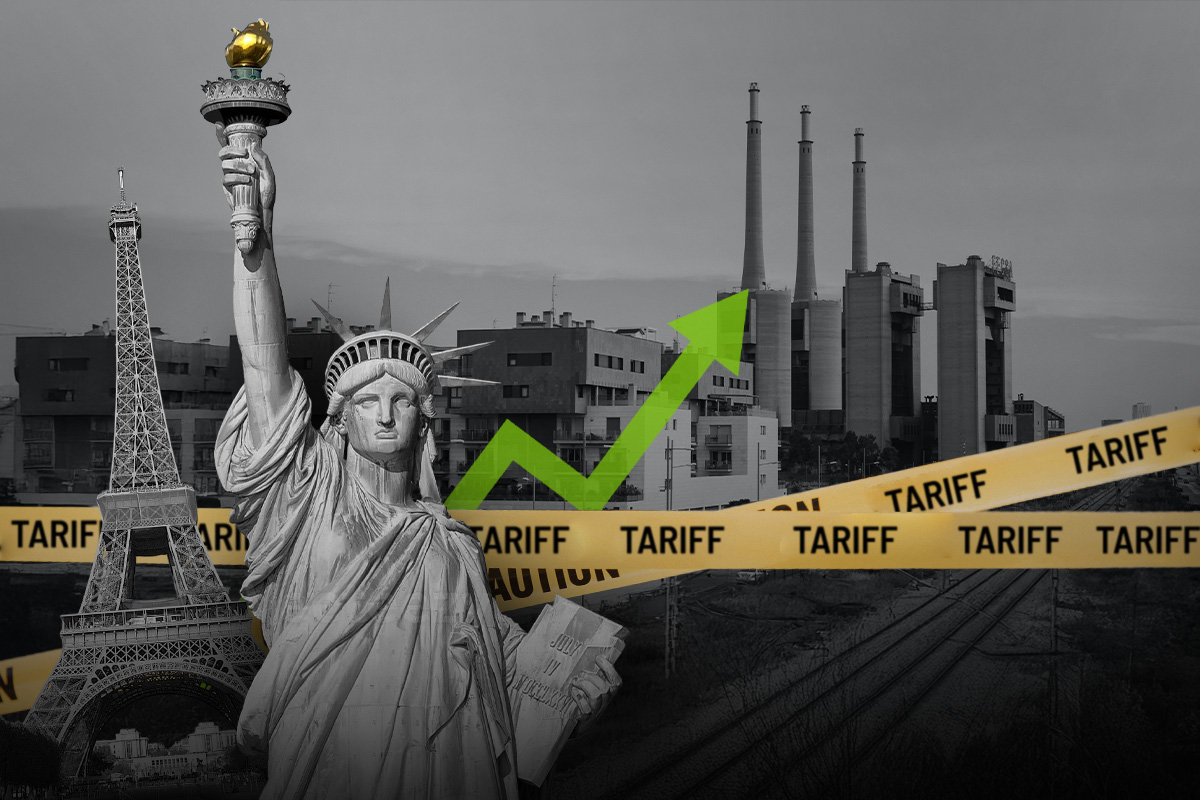
The EU and the US are India’s largest trading partners and a key source of FDI and Exports. Donald Trump’s victory in the 2024 elections and his subsequent announcement of reciprocal tariffs on trading partners reignited the concerns around protectionist policies as a means. European Parliament (EP) is the EU’s directly elected legislative body, with 720 members (MEPs) representing 27 member states. Elections occur every five years.
Jan
2023

The Production Linked Incentive Scheme provides financial incentives to companies based on incremental sales from products manufactured in domestic units. It aims to boost domestic manufacturing, enhance export capabilities, and reduce import dependence. It was launched in March 2020 and expanded to include 14 critical industries in 2023 and 2024. The National Green Hydrogen Mission (NGHM), launched in Jan 2023, aims to position India as a global leader in green hydrogen production, utilisation, and export.
Apr
2022
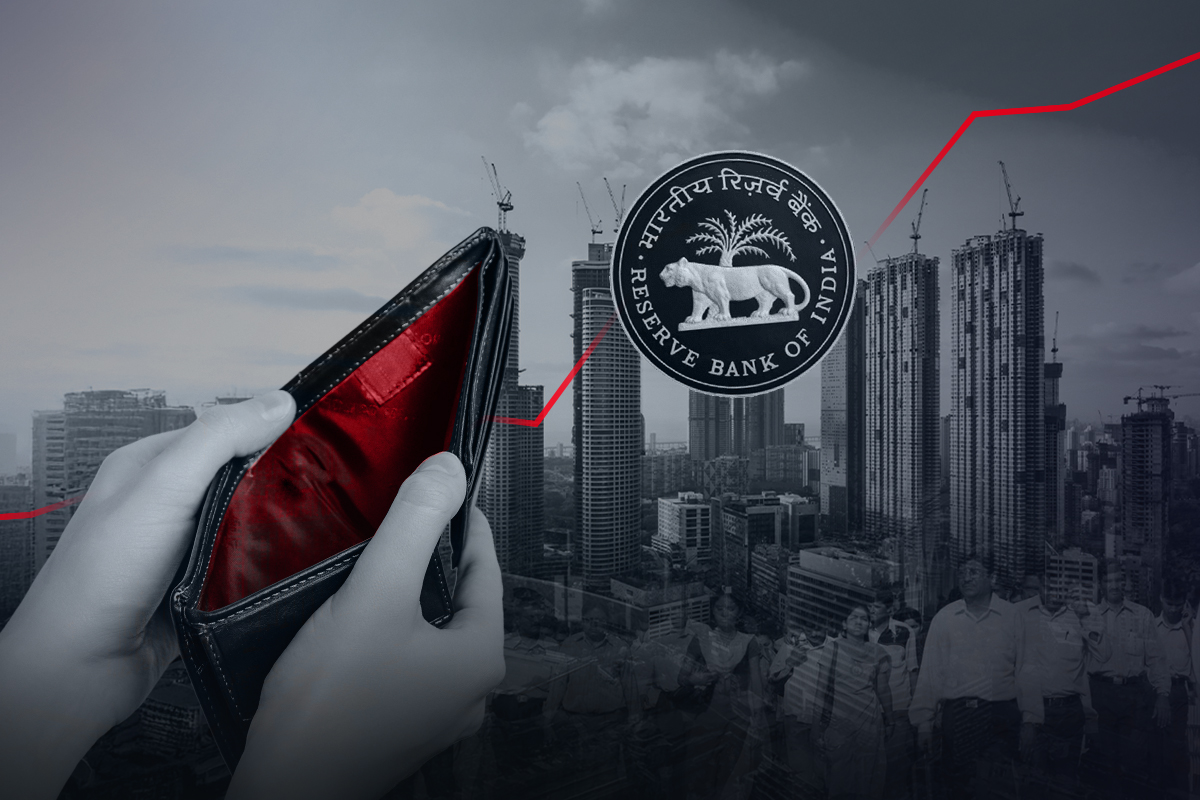
The Reserve Bank of India (RBI) initiated an aggressive monetary tightening cycle between Apr’22-Dec’22 to combat inflation arising due to the supply chain disruptions caused by the Russia-Ukraine War. The Monetary Policy Committee (MPC) raised the repo rate by 225 basis points (bps) across five meetings, marking the steepest annual hike since 2018.
Feb
2022

The Russia-Ukraine War, escalating significantly with Russia’s military intervention in Ukraine on February 24, 2022, was a major geopolitical conflict that has caused widespread international concern and economic repercussions. It marks a severe intensification of the long-standing tensions between Russia and Ukraine.
Mar
2020

The COVID-19 pandemic, a global health crisis caused by the novel coronavirus, began affecting India significantly from March 2020. Characterised by widespread infections, lockdowns, and public health emergencies, the pandemic has had profound implications on the Indian economy and society. According to the Ministry of Health and Family Welfare (MoHFW), COVID-19 caused 5,33,318 deaths as of December 19, 2023.


