


Financial Sector Soundness Index
Current Phase
Transitory Slowdown


Index Value: 49.34
Summary
A transitory slowdown in the financial sector signifies a temporary moderation in the pace of deposit or credit growth, often linked to the unwinding of one-off inflows such as special foreign-currency mobilisation windows, rather than a deterioration in the sector's underlying stability.
Index Value (LHS)
How to Embed this Chart?
Current Phase
Transitory Slowdown
Index Value: 49.34
Summary
A transitory slowdown in the financial sector signifies a temporary moderation in the pace of deposit or credit growth, often linked to the unwinding of one-off inflows such as special foreign-currency mobilisation windows, rather than a deterioration in the sector's underlying stability.
Showing: Index Value • Range: 10 Years
Index Value (LHS)


Financial Sector Soundness Index indicates the health of India’s financial system, encompassing borrowing costs, credit distribution across sectors, and business sentiment, which is essential for assessing investment activity, money supply, interest rate movement and credit demand in the economy.
Financial Sector Soundness Index covers diverse banking and financial parameters covering demand, borrowing costs, etc. We have assigned appropriate weights to each of these indicators, considering their impact in reflecting the financial stability in the Indian banking system.
The Financial Sector Soundness Index is an indispensable tool for financial advisors, offering a comprehensive snapshot of India's financial system's health. By incorporating metrics like borrowing costs, credit distribution across various sectors, the Financial Sector Soundness Index becomes a vital indicator for investment activity, money supply, and credit demand. Here’s how you can utilise this index to significantly enhance your financial planning and decision-making processes.
Economic Cycle Alignment: The index helps in aligning investment portfolios with the broader economic trends, ensuring that investments resonate with the current financial climate.
Interest Rate Insights: Financial Sector Soundness Index indicators on interest rates helps you make informed decisions on bond investments, where interest rate movements play a crucial role.
Interest Rate Forecasting: The index aids in predicting future interest rate movements, guiding on the optimal timing for taking loans or refinancing existing debts.
Credit Market Trends: Insights into credit distribution can help in understanding the lending atmosphere, allowing advisors to recommend when to seek loans or adjust credit strategies.
Inflation Expectations: The Financial Sector Soundness Index can provide clues about future inflation trends, allowing for better budgeting and savings strategies.
Healthcare and Education Costs: Trends in borrowing costs and credit distribution can indirectly signal changes in healthcare and education expenses, guiding insurance and savings decisions.
Retirement Planning: The Financial Sector Soundness Index insights into the overall economic health can assist in creating more robust, inflation-adjusted retirement plans.
Apr
2022

The Reserve Bank of India (RBI) initiated an aggressive monetary tightening cycle between Apr- Dec 2022 to combat post-pandemic inflation. The Monetary Policy Committee (MPC) raised the repo rate by 225 basis points (bps) across five meetings, marking the steepest annual hike since 2018.
Mar
2020

The COVID-19 pandemic, a global health crisis caused by the novel coronavirus, began affecting India significantly from March 2020. Characterised by widespread infections, lockdowns, and public health emergencies, the pandemic has had profound implications on the Indian economy and society. According to the Ministry of Health and Family Welfare (MoHFW), COVID-19 caused 5,33,318 deaths as of December 19, 2023.
Sep
2018
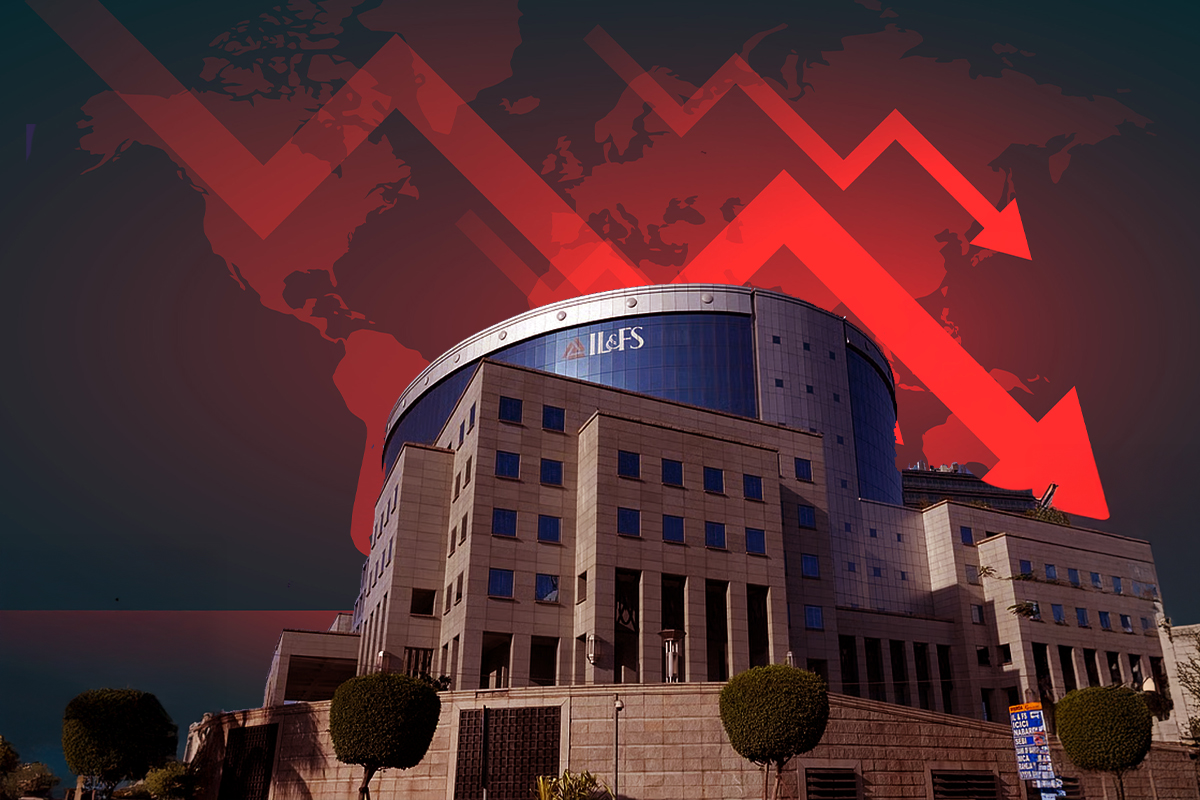
The IL&FS (Infrastructure Leasing & Financial Services) Crisis of 2018 was a significant event in the Indian financial sector, marked by the company's default on several debt obligations. IL&FS, a major infrastructure development and finance company, was considered a systemically important NBFC in India, and played a critical role in India's infrastructure sector.
Sep
2018
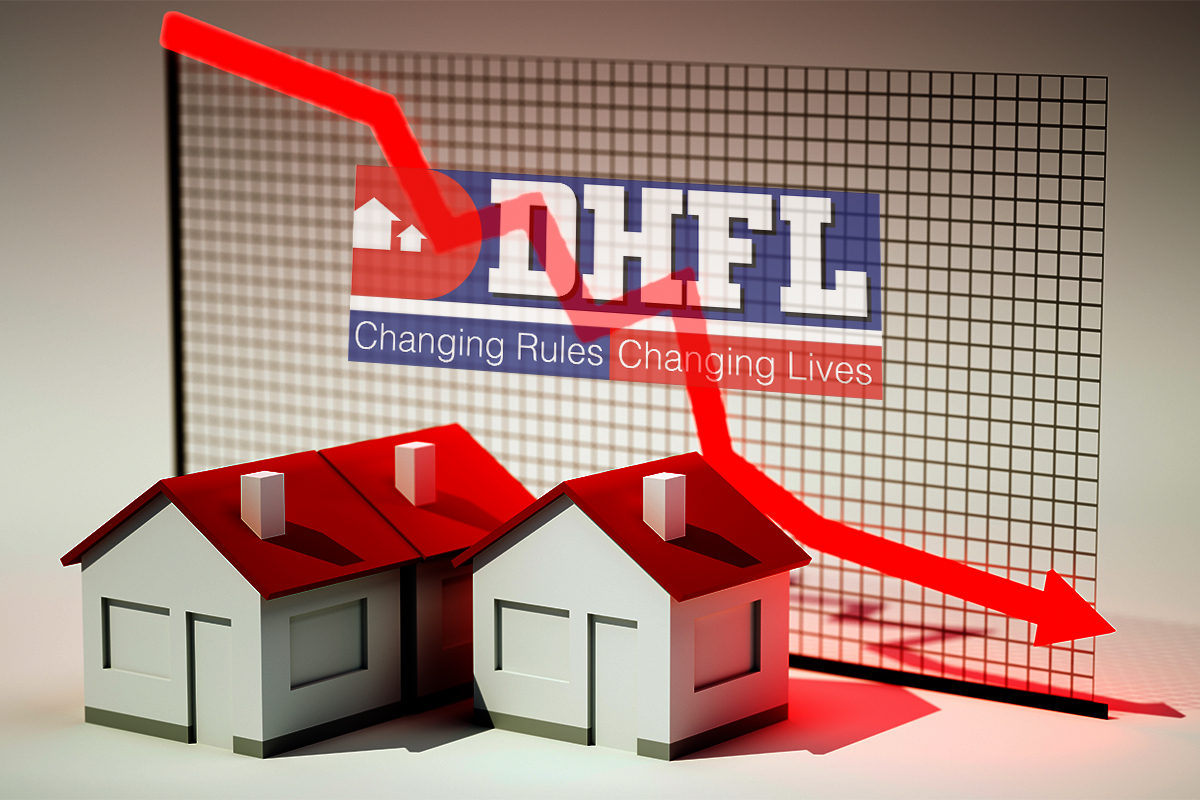
The crisis involving Dewan Housing Finance Corporation Ltd. (DHFL), one of India's largest Housing Finance Companies (HFCs), unfolded between 2019 and 2020. It marked a significant episode in the country's financial sector, particularly impacting the Non-Banking Financial Company (NBFC) and real estate sectors.
Jul
2017
+Implementation+in+India.svg)
On July 1, 2017, India underwent a major tax reform with the implementation of the Goods and Services Tax (GST), marking a significant milestone in the country's taxation history. GST was introduced as a comprehensive indirect tax on the manufacture, sale, and consumption of goods and services throughout India, replacing multiple cascading taxes levied by the central and state governments.


