


Global Economic Impact Index
Current Phase
Strong Recovery


Index Value: 56.88
Summary
A strong recovery in the global economic impact index signifies a marked strengthening of India's external position, reflected in rebuilding foreign exchange reserves and improved capital buffers, even as the wider merchandise trade deficit continues to be closely monitored.
Index Value (LHS)
How to Embed this Chart?
Current Phase
Strong Recovery
Index Value: 56.88
Summary
A strong recovery in the global economic impact index signifies a marked strengthening of India's external position, reflected in rebuilding foreign exchange reserves and improved capital buffers, even as the wider merchandise trade deficit continues to be closely monitored.
Showing: Index Value • Range: 10 Years
Index Value (LHS)


Global Economic Impact Index offers insights into the domestic economy’s response to global developments and the ability to attract foreign investments by tracking indicators such as FPI investments, External Commercial Borrowings (ECBs), Forex reserves, Crude oil prices, and Trade balances. Global Economic Impact Index provides critical input for assessing India's resilience to withstand external adversities.
The index covers diverse economic parameters, covering both domestic and global economic developments, policy or geopolitical impact on Indian economy and investor sentiments. We have assigned appropriate weights to each of these indicators based on their relevance in reflecting the global economic developments.
Analysing the Global Economic Impact Index offers a comprehensive understanding of how global economic trends can affect the Indian economy. It is also crucial for individuals involved in sectors sensitive to international trade dynamics. It helps in making informed decisions related to investments, job security, foreign investments, liabilities management, and long-term financial planning.
Impact on Domestic Markets: Global economic conditions significantly influence stock markets, commodity prices, and foreign exchange rates. For instance, strong global growth can boost stock market returns, particularly in export-driven sectors like IT and pharma.
Investment Decisions: The index can help gauge the health of global economic conditions. Industries heavily reliant on global trade, like tourism and IT, are directly affected by global economic shifts. Tracking the index closely before investing in equities, especially in sectors benefiting from strong global trade is crucial for better returns.
Currency Fluctuations and Foreign Investments: Global economic uncertainties can lead to significant fluctuations in currency exchange rates, impacting the value of foreign investments and costs of imports. Stability in the global economy supports domestic trade and stability in foreign exchange markets, and also provides favourable conditions for foreign investments.
Interest Rate Sensitivity: Global economic trends can influence domestic interest rates, affecting loan costs, especially for businesses in international trade. Understanding the global economic trends and its impact on India can help predict interest rate movements, which affects the cost of external borrowings and especially for funds invested in globally exposed sectors, or sectors which are sensitive to global economic conditions.
Apr
2025
+.jpg)
The EU and the US are India’s largest trading partners and a key source of FDI and Exports. Donald Trump’s victory in the 2024 elections and his subsequent announcement of reciprocal tariffs on trading partners reignited the concerns around protectionist policies as a means.
Oct
2023
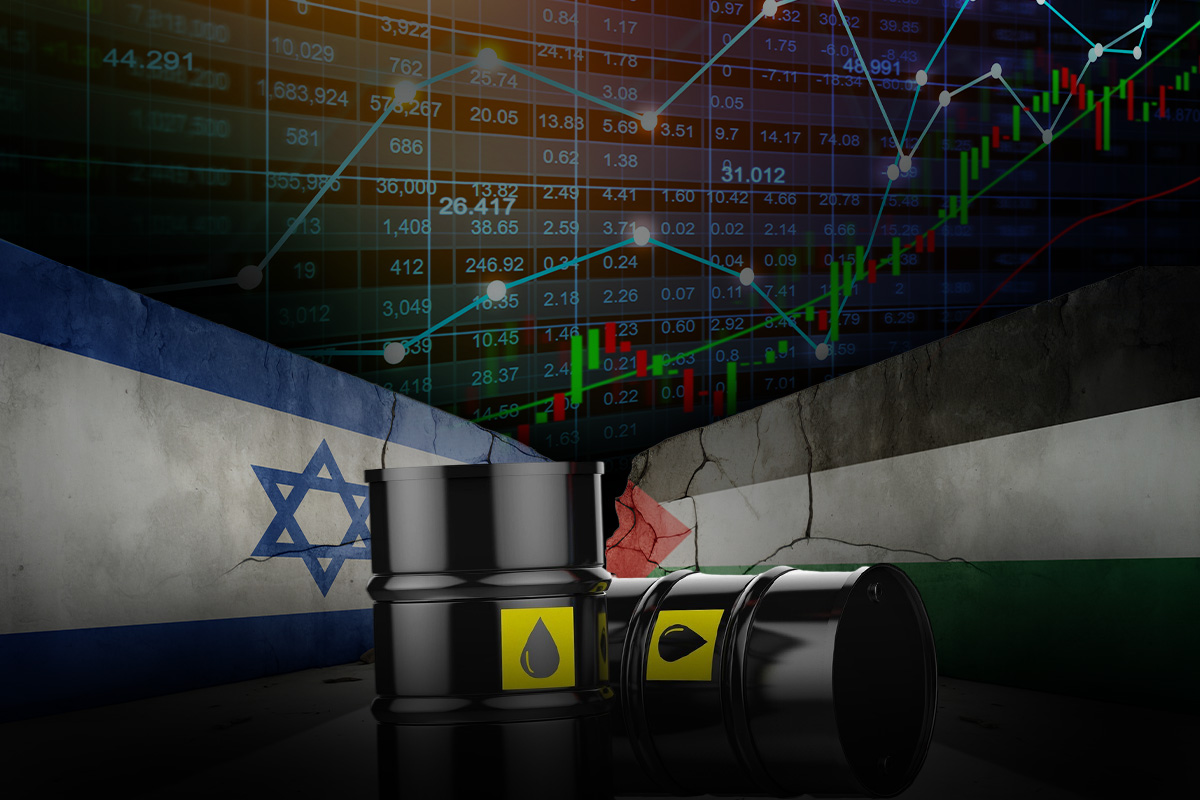
The current phase of the Israel-Palestine conflict erupted in Oct 2023, when Hamas, the Islamist group governing Gaza, launched a large-scale attack on Israel, killing over 1,200 people and taking more than 250 hostages. Israel responded with a declaration of war, imposing a complete siege on Gaza and launching extensive airstrikes and a ground invasion. Israel has conducted a large-scale military campaign in Gaza, aiming to dismantle Hamas.
Feb
2022

The Russia-Ukraine War, with Russia’s military intervention in Ukraine on February 24, 2022, was a major geopolitical conflict that has caused widespread international concern and economic repercussions. It marks a severe intensification of the long-standing tensions between Russia and Ukraine.
Dec
2020
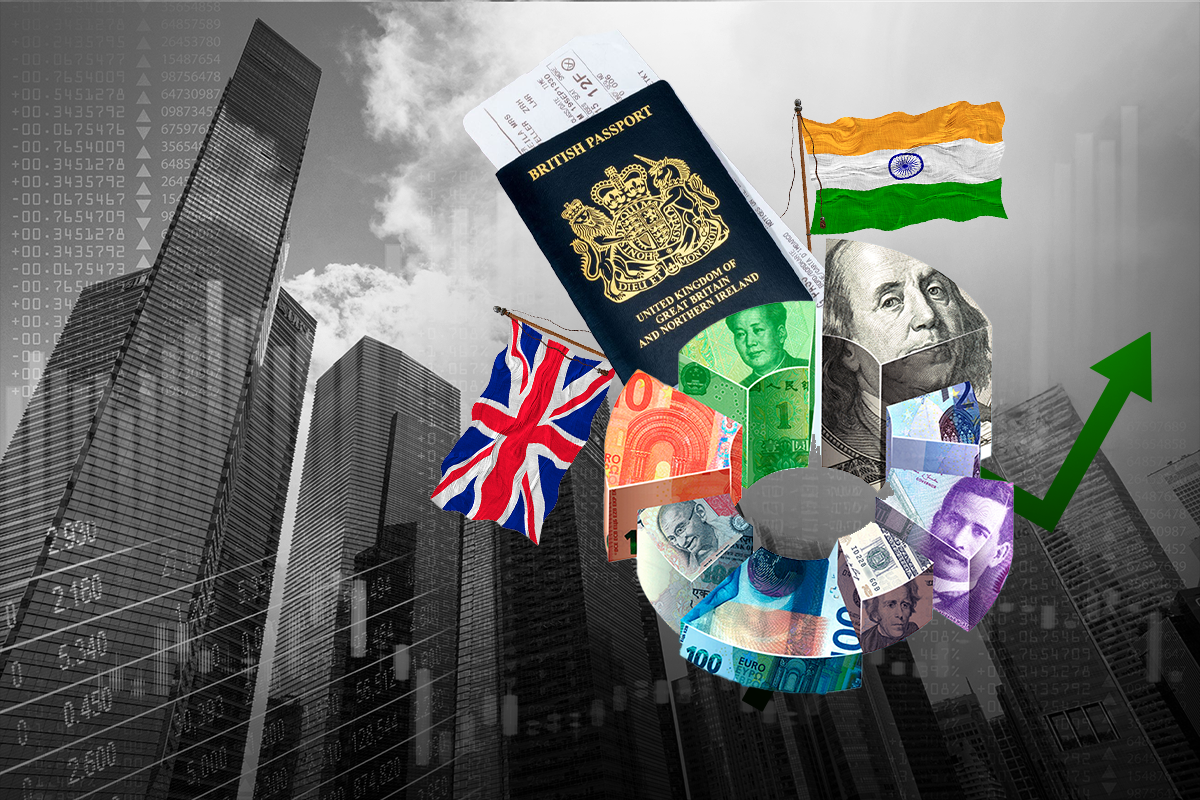
Brexit, the withdrawal of the United Kingdom (UK) from the European Union (EU), was a major geopolitical event finalised on December 31, 2020. It marked the end of a 47-year membership, leading to significant trade and political implications globally.
Mar
2020

The COVID-19 pandemic, a global health crisis caused by the novel coronavirus, began affecting India significantly from March 2020. Characterised by widespread infections, lockdowns, and public health emergencies, the pandemic has had profound implications on the Indian economy and society. According to the Ministry of Health and Family Welfare (MoHFW), COVID-19 caused 5,33,318 deaths as of December 19, 2023.


