


Agriculture Output Index
Current Phase
Transitory Slowdown


Index Value: 61.48
Summary
A transitory slowdown in agricultural output signifies a temporary moderation in growth and productivity, where sowing progress and output continue to expand but at a slower pace than in previous quarters, often linked to uneven rainfall distribution or delayed monsoon activity that is expected to normalise over subsequent seasons.
Index Value (LHS)
How to Embed this Chart?
Current Phase
Transitory Slowdown
Index Value: 61.48
Summary
A transitory slowdown in agricultural output signifies a temporary moderation in growth and productivity, where sowing progress and output continue to expand but at a slower pace than in previous quarters, often linked to uneven rainfall distribution or delayed monsoon activity that is expected to normalise over subsequent seasons.
Showing: Index Value • Range: 10 Years
Index Value (LHS)


Agriculture Output Index reflects India’s agriculture production trends, based on monsoon pattern, reservoir levels and progress in sowing during these crop cycles. The index captures the seasonal variations impacting production trends and their impact on food prices and rural demand. The index provides a timely insight into the performance of agriculture activities in India by indicating the near to medium term growth prospects in agriculture production, which is vital for forecasting food inflation, and demand trends in the rural economy.
The index covers both demand and supply side factors. We have assigned appropriate weights to each of these indicators, considering their respective contributions and also their impact on the sector.
The agriculture sector, as a cornerstone of India's economy, offers vital insights on the overall economic growth prospects and food security and inflation. By understanding the intricate relationship between agricultural trends and market dynamics, investors can better position their portfolios to capitalise on emerging opportunities and mitigate risks associated with this vital sector of the Indian economy.
Performance Analysis of Sub-sectors: Monitoring rainfall patterns and reservoir levels provides insights into crop yields and production, potentially impacting commodity markets and related investments. This can guide investment decisions in agro-based industries and agri-commodities trading. These indices also reveal potential inflation trends in the economy and can signal changes in consumer spending power.
Rural Demand Forecasting: Indicators like fertiliser sales and tractor sales shed light on consumer demand in the rural economy and spending capacity, which can influence investments in FMCG and agri-business sectors.
Employment in the Agriculture Sector: A normal monsoon, for instance, can lead to expectations of higher agricultural output. This can stimulate growth in ancillary services like transportation, warehousing, and marketing, further expanding the rural job market.
Policy Changes and Agri Reforms Impact: Agricultural policy reforms can have wide-ranging impacts on personal finance decisions, affecting everything from commodity prices and inflation to investments in agri-businesses and the broader rural economy.
Apr
2025
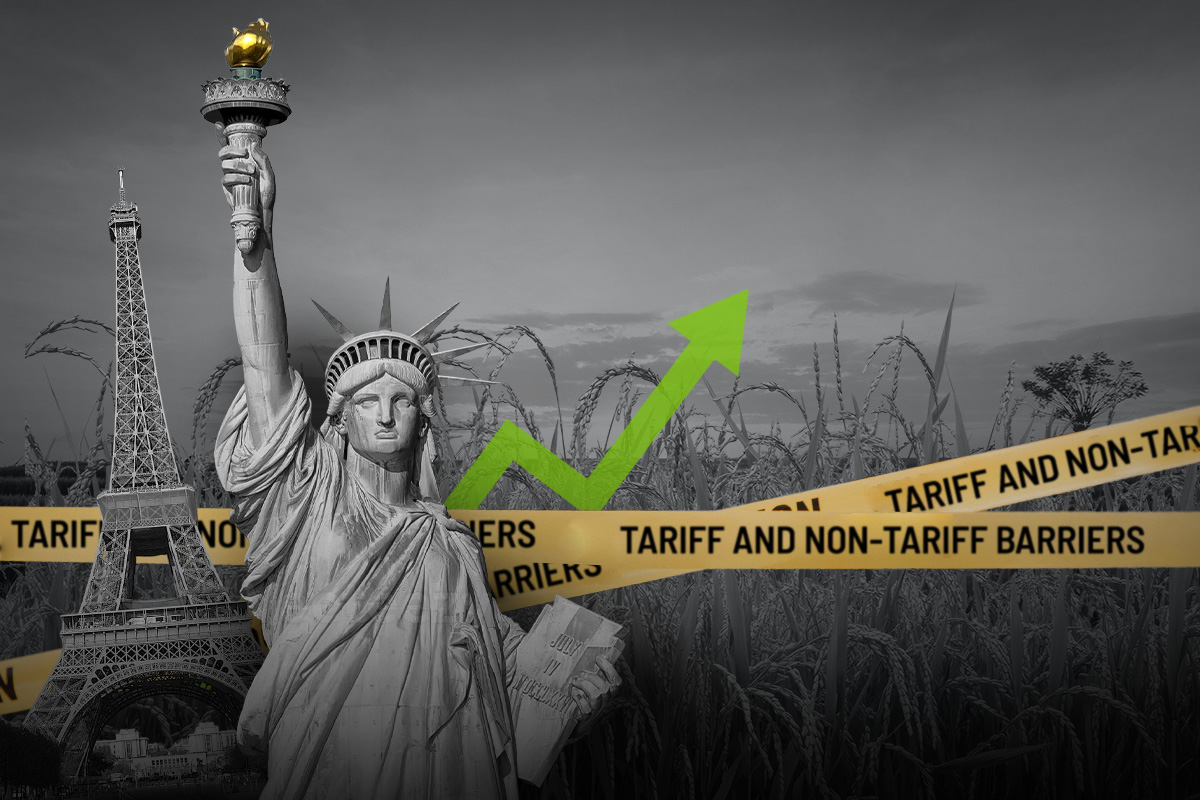
The EU and the US are India’s largest trading partners and a key source of FDI and Exports. Donald Trump’s victory in the 2024 elections and his subsequent announcement of reciprocal tariffs on trading partners reignited the concerns around protectionist policies as a means. European Parliament (EP) is the EU’s directly elected legislative body, with 720 members (MEPs) representing 27 member states. Elections occur every five years.
May
2020
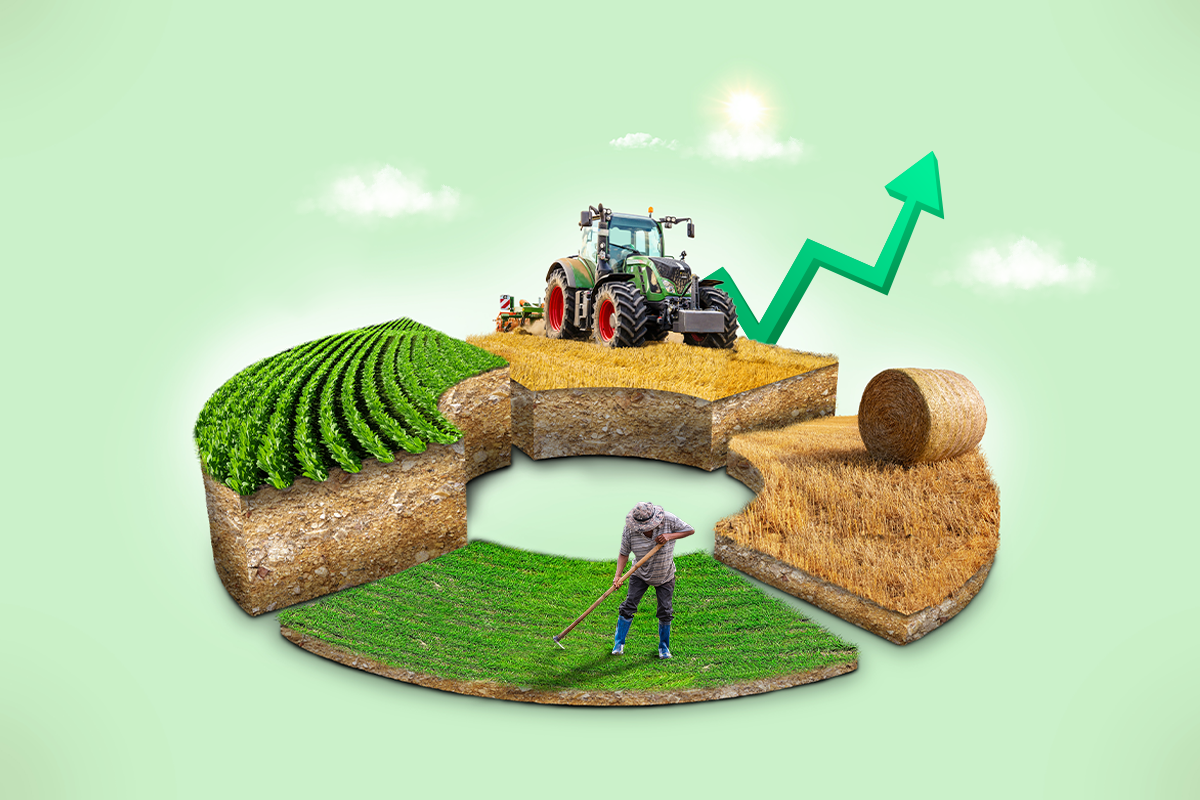
The Agricultural Infrastructure Fund (AIF) was launched May 15, 2020 against the backdrop of the COVID-19 pandemic. This significant initiative by the Indian government was a part of the broader Atmanirbhar Bharat (self-reliant India) package. This fund was established to provide financial support for building and upgrading modern infrastructure in the agricultural sector.
Apr
2020

In April 2020, India faced one of the worst locust attacks in decades. This large-scale infestation by desert locusts, a species of short-horned grasshoppers known for their destructive feeding, affected several states across the country. Favourable rain-bearing winds aided their transport towards India.
Mar
2020

The COVID-19 pandemic, a global health crisis caused by the novel coronavirus, began affecting India significantly from March 2020. Characterised by widespread infections, lockdowns, and public health emergencies, the pandemic has had profound implications on the Indian economy and society. According to the Ministry of Health and Family Welfare (MoHFW), COVID-19 caused 5,33,318 deaths as of December 19, 2023.
Jul
2017
+Implementation+in+India.svg)
On July 1, 2017, India underwent a major tax reform with the implementation of the Goods and Services Tax (GST), marking a significant milestone in the country's taxation history. GST was introduced as a comprehensive indirect tax on the manufacture, sale, and consumption of goods and services throughout India, replacing multiple cascading taxes levied by the central and state governments.


