


Consumer Inflation Index
Current Phase
Moderating Inflation


Index Value: 49.28
Summary
Moderating inflation signifies a phase where price pressures have edged further away from the RBI's 4% target even while remaining within the 2–6% tolerance band, reflecting a gradual shift from disinflation towards mild reflation that warrants closer monitoring of food and fuel price trends.
Index Value (LHS)
How to Embed this Chart?
Current Phase
Moderating Inflation
Index Value: 49.28
Summary
Moderating inflation signifies a phase where price pressures have edged further away from the RBI's 4% target even while remaining within the 2–6% tolerance band, reflecting a gradual shift from disinflation towards mild reflation that warrants closer monitoring of food and fuel price trends.
Showing: Index Value • Range: 10 Years
Index Value (LHS)


Consumer Inflation Index is created using various high frequency economic indicators which indicate production and consumption trends in the economy.The index provides a timely insight to forecast the near-term retail inflation and useful in gauging demand-supply dynamics and monetary policy outlook.
The index covers diverse economic parameters covering both demand and supply side components. We have assigned appropriate weights to each of these indicators, considering their impact in reflecting retail inflation in the economy.
Inflation affects various aspects of personal finance, from investment choices to saving habits. A comprehensive view of consumer inflation underscores its pivotal role in shaping financial strategies and decisions. This index, by reflecting trends in production and consumption, offers insights into near-term retail inflation, which is pivotal for understanding demand-supply dynamics and monetary policy implications. These insights ensure that financial planning is robust, adaptive, and ready to seize emerging opportunities.
Impact of Inflation on Asset Classes: The index highlights the importance of monitoring inflation trends and adjusting personal financial plans accordingly to beat future inflation. Inflation trends revealed by this index can significantly influence interest rates, consumer spending, and investment returns. In a high inflation environment, certain sectors like commodities, real estate, and financial services might outperform, as they can pass on increased costs to consumers. Rising inflation often leads to higher interest rates, impacting bond prices negatively. In such scenarios, shorter-duration bonds or inflation-indexed bonds become more appealing. Real estate often acts as a hedge against inflation, as property values and rents tend to rise with increasing inflation. Similarly, investments in tangible assets like gold can provide a safeguard.
Savings and Expenditure: High inflation erodes the purchasing power of money, leading to changes in saving and spending habits. This is the time for the individuals to look for investment options that offer returns above the inflation rate.
Retirement Planning: Inflation significantly impacts long-term financial goals, such as retirement planning. Adjusting investment strategies to include assets that historically beat inflation is crucial.
Inflation's Influence on Monetary Policy and Interest Rates: The Reserve Bank of India (RBI), uses monetary policy tools to manage inflation. An increase in inflation may lead to a rise in policy rates, affecting loan and deposit rates. Higher interest rates can make borrowing more expensive and saving more attractive. For example, opting for fixed-rate loans to avoid fluctuating interest costs and increasing fixed deposits.
Apr
2022

The Reserve Bank of India (RBI) initiated an aggressive monetary tightening cycle between Apr-22 and Dec-22 to combat high inflation stemming from supply chain disruptions caused by the Russia-Ukraine War. The Monetary Policy Committee (MPC) raised the repo rate by 225 basis points (bps) across five meetings, marking the steepest annual hike since 2018.
Feb
2022

The Russia-Ukraine War, with Russia’s military intervention in Ukraine on February 24, 2022, was a major geopolitical conflict that has caused widespread international concern and economic repercussions. It marks a severe intensification of the long-standing tensions between Russia and Ukraine.
Mar
2020

The COVID-19 pandemic, a global health crisis caused by the novel coronavirus, began affecting India significantly from March 2020. Characterised by widespread infections, lockdowns, and public health emergencies, the pandemic has had profound implications on the Indian economy and society. According to the Ministry of Health and Family Welfare (MoHFW), COVID-19 caused 5,33,318 deaths as of December 19, 2023.
Jul
2018
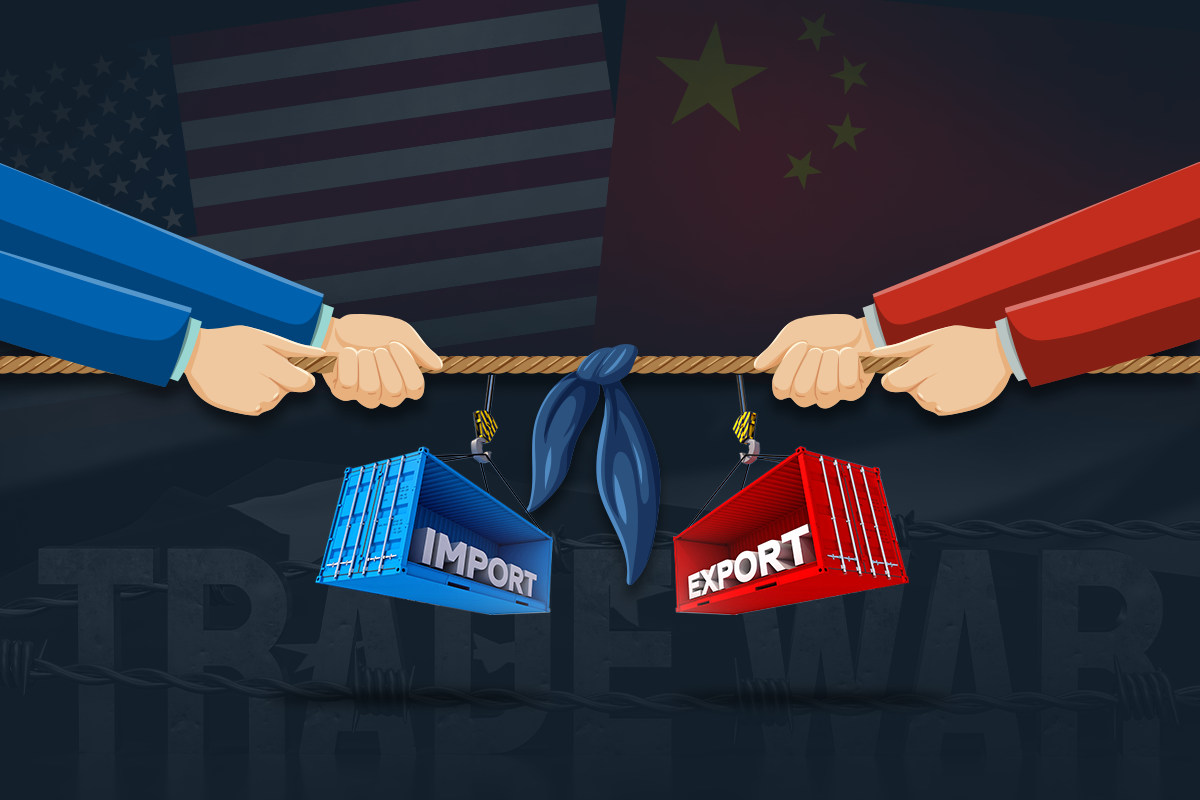
In July 2018, a significant escalation in the US-China Trade War occurred. The Trump administration imposed the third stage of Section 301 tariffs, which involved a 10% tariff on $ 200 billion worth of Chinese goods. This move was part of a broader trade conflict between the world's two largest economies, with far-reaching implications on global trade dynamics.
Apr
2014
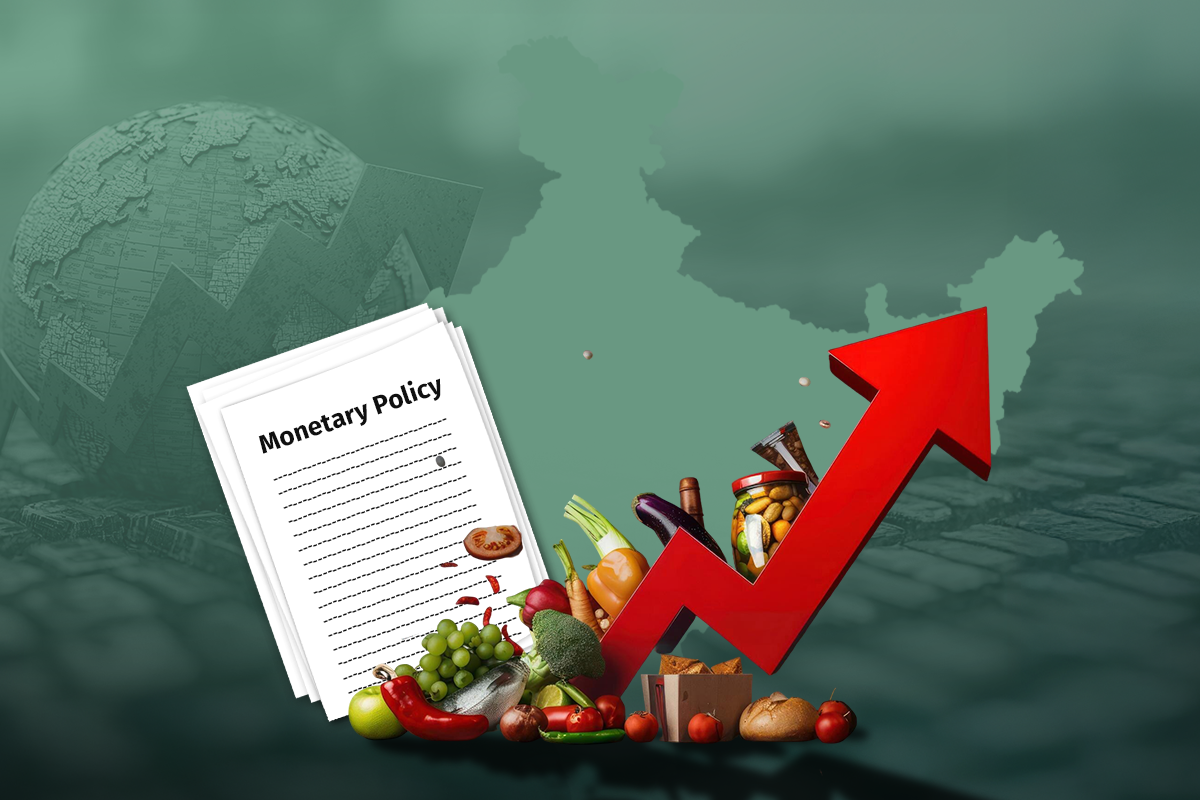
In April 2014, the Reserve Bank of India (RBI) initiated a significant shift in its monetary policy approach, focusing more intently on inflation management. This shift was part of a broader strategy to stabilise the Indian economy by controlling high inflation rates. With the signing of the new Monetary Policy Framework Agreement (MPFA) between the Government of India and the RBI on Feb 20, 2015, Flexible Inflation Targeting (FIT) was formally adopted in India. The Central Government has notified 4% CPI inflation as the target for the period from August 5, 2016 to March 31, 2021 with the upper tolerance limit of 6% and the lower tolerance limit of 2%. For the period April 1, 2021 to March 31, 2026 too, the inflation target has been kept at the same level as was for the previous 5 years.


